The curriculum

Five modules, no fixed schedule

Each module builds on the one before it, but the course is designed so you can pause between them for as long as you need. Below is what each module covers and roughly how long it takes to work through.

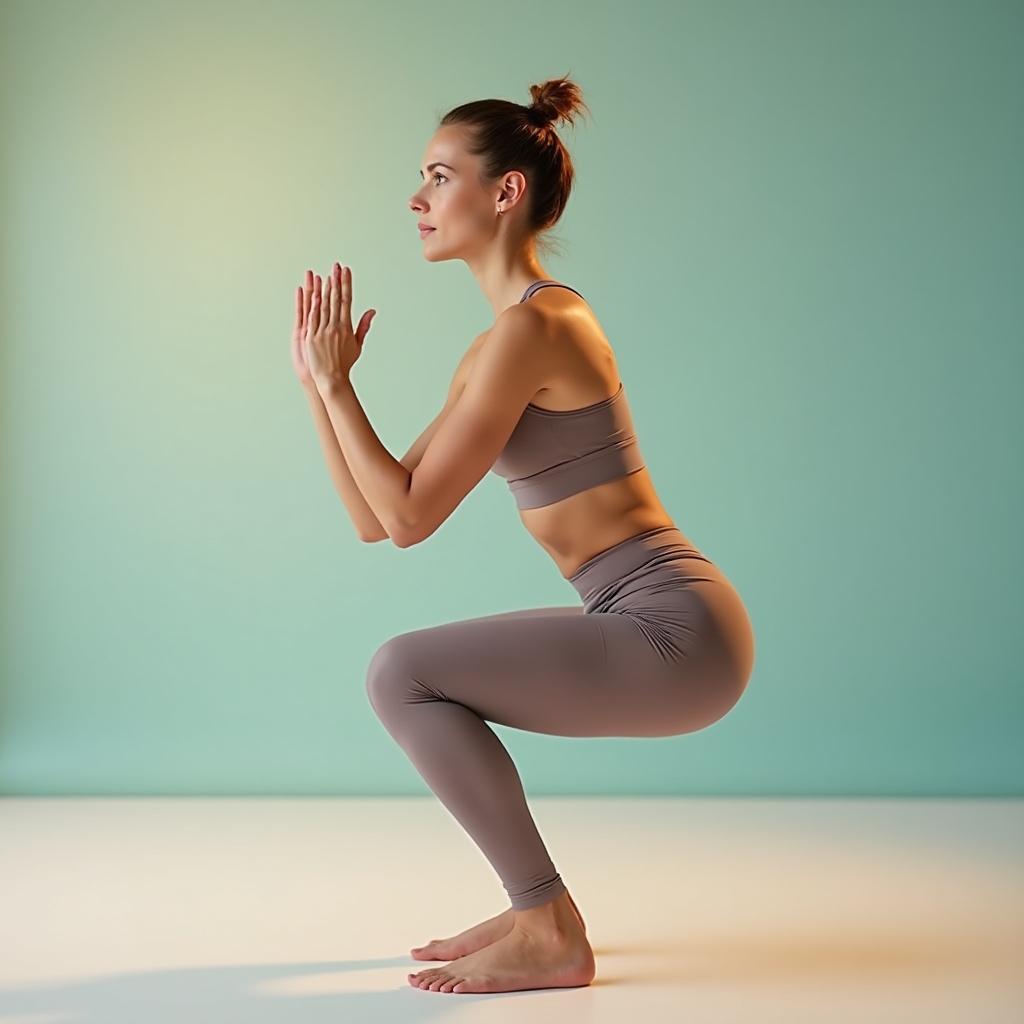
A person practicing a slow squat while paying close attention to balance and posture
Format

How a typical module is put together

Every module opens with a short written lesson, usually ten to fifteen minutes of reading with an optional audio narration. From there, you move into a guided reflection, a short practice you can try in place, and a printable worksheet to record what you noticed.

  • Lesson text with plain-language explanations, no jargon
  • Guided reflection questions to apply the concept to your own routine
  • A short practice, generally under fifteen minutes
  • A worksheet you keep, so patterns become visible over weeks
Module by module

What each part of the course covers

01

Reading Your Baseline

Before changing anything, this module teaches you to observe your resting posture, breathing rhythm and points of habitual tension. You learn simple checklists for noticing these patterns during an ordinary day, without judgment attached to what you find.

Roughly 45 minutes


02

Movement Literacy

This module explains general concepts like range of motion, load and effort in accessible terms, using everyday movements as examples. It builds vocabulary you can use to describe what you feel during activity, rather than teaching specific exercises.

Roughly 60 minutes
03

Stress Signals and the Body

Covers general educational content on how stress commonly shows up physically, from shallow breathing to shoulder tension, and how those signals often differ from ordinary physical fatigue. Includes a self-observation exercise for a single stressful day.

Roughly 50 minutes
04

Rest, Recovery and Recalibration

Examines rest as an active, learnable skill rather than the absence of activity. Discusses general pacing concepts and what noticeable recovery tends to feel like, using a simple weekly reflection template.

Roughly 40 minutes
05

Building a Personal Practice

Brings together everything from the previous modules into a short weekly framework you design for yourself. This closing module focuses on consistency over intensity and gives you a template to revisit the course again later.

Roughly 45 minutes
Rest and recovery focus

Why an entire module is dedicated to rest

Rest is frequently treated as an afterthought in physical training content, something you do when you run out of energy rather than something you plan. Module four treats rest as a skill with its own vocabulary: recovery windows, load distribution across a week, and the difference between rest that restores and rest that simply postpones fatigue.

The goal is not to prescribe a specific rest schedule. It is to give you language and a simple weekly template so you can notice, in your own words, what patterns of rest tend to work for your own routine.

A person resting comfortably on a couch with eyes closed during a quiet afternoon break
Close view of a person practicing a slow breathing exercise with a hand resting on their chest
A closer look

Breath as a recurring thread

Breathing patterns appear throughout the curriculum because they change noticeably with activity, stress and rest, and they are something almost anyone can observe without special equipment. Rather than teaching one technique, the course explains breath as an indicator you can check against your own baseline from module one.

Not sure this fits your situation?

The Who This Is For page describes the kinds of learners the course was written for, along with a short section on who might want to look elsewhere.